Delaware colonial history

Before 1776, Delaware was already making history

Discover the people, places, and moments that shaped America’s earliest fight for independence, preserved and honored by the Society of Colonial Wars in the State of Delaware.

Explore the History
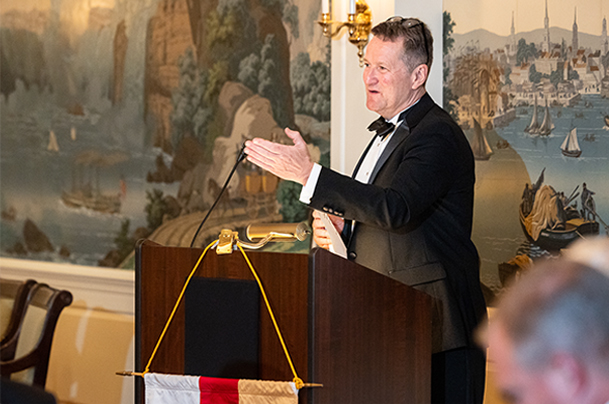
Speaker at a Society of Colonial Wars in the State of Delaware event - Photo Jana Bannan
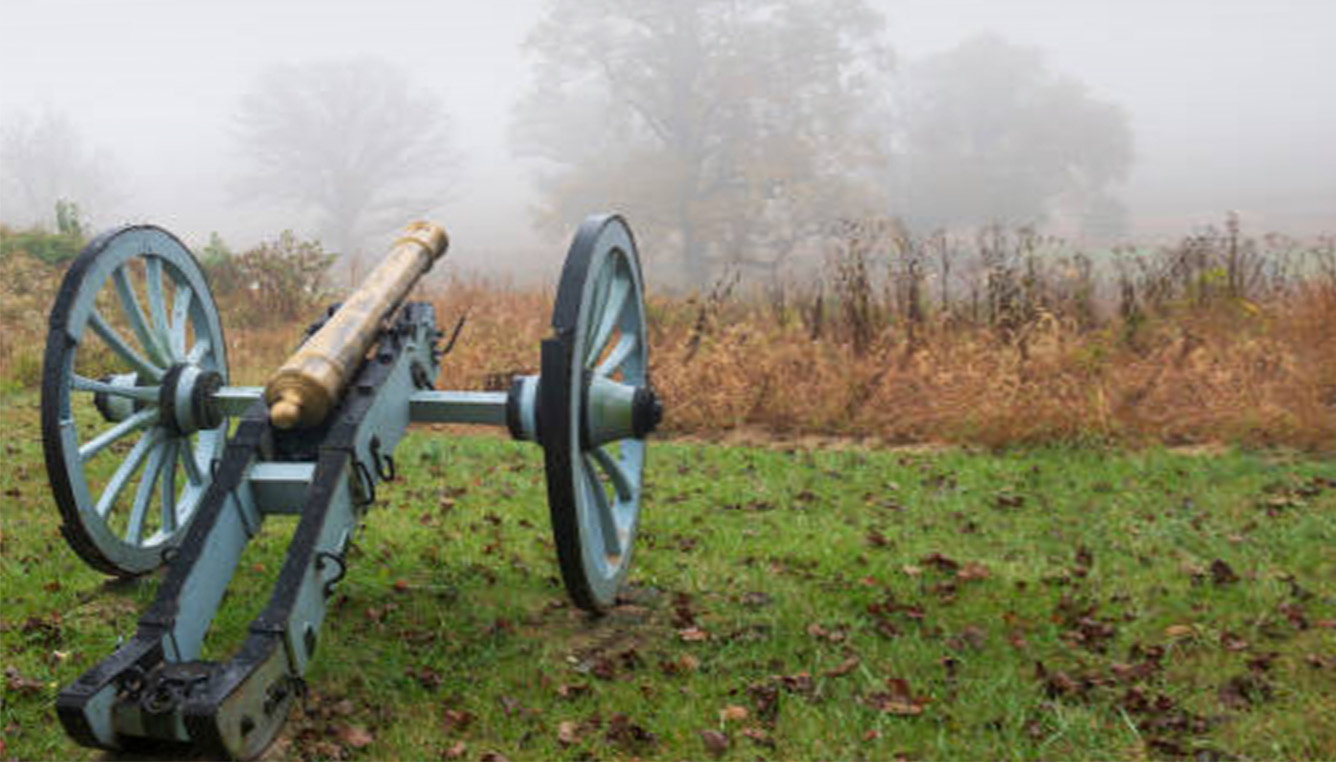
Revolutionary War Canon

The story of America didn’t begin in 1776

It was shaped by decades of conflict, courage, and decisions made right here in Delaware. The Society of Colonial Wars preserves these stories, so they’re not forgotten.

Historical Monuments
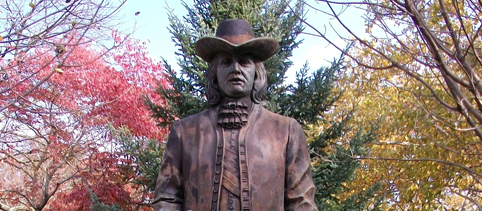
The Delaware colony was founded in 1638 by European colonists from the Netherlands and Sweden. Its history includes occupations by the Dutch, Swedish, and British, and the colony of Pennsylvania, which included Delaware until 1703.

View Sites & Monuments
The Story of the Society

Story about the Society of Colonial Wars in the State of Delaware - Photo Jana Bannan

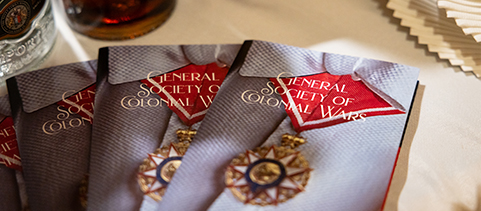
In 1892, a group of Americans set out to preserve the legacy of early colonial conflicts and the people who shaped them. Explore the origins of the Society of Colonial Wars and its enduring mission to keep these important stories alive.

Read Our Story

Timeline

Follow Delaware’s journey from early settlement to revolution.

The Lenni-Lenape

The Lenni-Lenape, part of the Algonkians, settle along the Delaware River.

The Minquas

The Minquas, from the Susquehanna River Valley, began to attack the villages of the Lenni-Lenape.

Henry Hudson

English explorer Henry Hudson, sailing for the Dutch East India Company in the Half Moon, visits the Delaware Bay and explores the coastline while seeking the Northwest Passage.

Sir Samuel Argall

Sir Samuel Argall, an English sea captain, names the Delaware Bay after Virginia governor Thomas West, Lord De La Warr.

Lewes Settlement

The first European settlement is built by the Dutch at what is now Lewes; they are massacred within a year by Native Americans due to a dispute over a property marker installed by the Dutch and torn down by an Indian.

Fort Christina

The first permanent European settlement, Fort Christina, is established on the Minquas Kill (renamed Christina River) by 23 Swedes, including Finns, led by Peter Minuit; it is the first permanent settlement on the Delaware and the beginnings of the New Sweden colony; it will become the city of Wilmington.

Two Milestones in Early Delaware
  • The first American log cabin is introduced at Fort Christina.
  • The first African on the Delaware, Black Anthony, is hired from the Caribbean to advise on tobacco growing and act as coxswain on Gov. Printz’s shallop.
Reverend Reorus Torkillus

The first Lutheran minister in America, the Reverend Reorus Torkillus, arrives at Fort Christina.

Governor of the New Sweden Colony

Johan Printz, an army major, becomes governor the New Sweden Colony, and moves the capital to Tinicum to better control the river and be closer to his tobacco plantation.

Fort Casimir at Sandhoek

Peter Stuyvesant, peg-legged governor of New Amsterdam, builds Fort Casimir at Sandhoek (now New Castle) just few miles south of Ft. Christina on the Delaware; the Dutch thus control the Delaware River.

Swedish Gains and Setbacks
  • Hearing that the Dutch are out of powder, the Swedes capture Fort Casimir and rename it Fort Trinity
  • The tenth Swedish expedition misses the Delaware Bay, arrives in Manhattan and is seized by the Dutch
The Fall of New Sweden

The Dutch return to the Delaware River with seven armed ships and 300 soldiers, besiege Fort Christina for 12 days, and defeat the Swedes on the Delaware without bloodshed, ending the New Sweden Colony; Delaware becomes part of New Amsterdam; the Swedes pledge allegiance to the Dutch king but are allowed to keep their religion and law courts.

Swedish Settlers Land at Tinicum

Ship Mercuriius from Sweden arrives with 110 new settlers, but the Dutch refuse permission to land so they disembark at Tinicum.

Lewes Trading Post

A trading post is established at Lewes; New Amstel (New Castle) now has 100 houses but dissatisfaction, hunger an disease causes it to depopulate.

Lord Baltimore’s Claim

Lord Baltimore claims ownership of the western shore of the Delaware River, but testimony by the “old Swedes” Peter Gunnarson Rambo and Peter Larsson Cock as to who arrived first frustrates him.

The Cape Henlopen Colony

Peter Plockhoy from Holland establishes a Mennonite colony at Cape Henlopen; destroyed by the English in 1664.

Delaware Comes Under English Rule

Sir Robert Carr subdues the Dutch on the South (Delaware) River by firing two broadsides by two ships and storming Fort Casimir with three Dutch killed and 10 wounded; he claims the land for James, Duke of York, so Delaware becomes an English colony as a result of an Anglo-Dutch war.

Delaware’s First Jury Trial

The first American jury trial was held in Delaware; Marcus Jacobson (aka Konigsmark “the Long Finn”) was captured by magistrate Peter Larsson Cock, condemned for insurrection against the English and sentenced to flogging, branding and hard labor in Barbados.

The Dutch Regain Control

War between England and Holland; the Dutch fleet re-takes New York and regains control of the Delaware.

The End of Dutch Rule

The Treaty of Westminster returns New York and Delaware to the English, so the English regain control of the Delaware; so ends Dutch rule on the Delaware.

William Penn Receives Pennsylvania

Pennsylvania granted to William Penn by King Charles II,

William Penn Takes Possession of Delaware

The Duke of York transfers control of the Delaware colony to English Quaker William Penn, who receives possession in New Castle by tokens of a twig, water and soil.

Maryland Claims Southern Delaware

1684 through 1736 – The colonial government of Maryland lays claim to southern and western Delaware, so Col. George Talbot builds a small fort near the present town of Christiana.

Immanuel Episcopal Church

Immanuel Episcopal Church, New Castle, founded; built in 1704

Lutheran Missionaries

Erick Biork, Andreas Rudman and Jonas Aureen come from Sweden as Lutheran missionaries.

Pirate Activity

1698 through 1700 – Pirates including Captain Kidd sail along the Delaware, sack Lewes, and capture a vessel off New Castle.

Old Swedes Church

Old Swedes Church dedicated on Trinity Sunday, July 4th.

Delaware’s Boundary Takes Shape

Delaware is formally separated from Pennsylvania, but they share a governor; Isaac Taylor and Thomas Pierson, surveyors, establish the 12 Mile Circle boundry.

Welsh Baptists

Welsh Baptists settle on Welsh Tract between Newark and Glasgow

New Castle Controls River Traffic

Fort built at New Castle to compel all vessels to “report and receive leave to pass”; Philadelphia businessmen protest this control.

Scots Establish Drawyer’s Settlement

Scots settle in Appoquinimy, Kent County, known as Drawyer’s Settlement.

Dover Delaware

The city of Dover is established.

Willingtown Is Founded

Thomas Williing founds Willingtown on land received from his father-in-law Andrew Justison between French and West Streets.

Delaware–Maryland Boundaries Agreed

Commissioners appointed by Penn and Lord Baltimore agree on boundaries between Delaware and Maryland.

Wilmington

Williingtown receives a royal charter and is renamed Wilmington.

A Church and Shipbuilding Milestone

Presbyterian Church and first sea-going vessel built in Wilmington.

Brandywine Flour Milling Begins

Oliver Canby builds a flour mill on the Brandywine River at Wilmington, beginning a large commercial flour milling industry.

New London Academy Is Established

New London Academy, forerunner of the University of Delaware, established by Rev. Francis Alison.

Privateers Raid the Delaware

French and Spanish privateers commit depredations along the Delaware River in the War of Austrian Succession.

Nanticoke Indians

Nanticoke Indians migrate to Wyoming Valley, Pennsylvania,

Preparations for French and Indian War

General Assembly passes bill to raise one company of troops for His Majesty’s service and to establish militia for defense in the French and Indian War.

The Canadian Expedition

Men are raised for an expedition to Canada in the French and Indian War.

Newark Receives Its Town Charter

Charter granted for a town at Newark; fair to be held in April and October and also weekly market.

Population Growth

35,000 people lived in the Delaware region.

First Printing Press

James Adams sets up the first printing press in Delaware at Wilmington.

Mason Dixon Survey

Lord Baltimore and Thomas and Richard Penn employ Charles Mason and Jeremiah Dixon, English surveyors, to establish boundaries.

Western Boundary

Charles Mason and Jeremiah Dixon survey Delaware’s western boundary.

Delaware Protests the Stamp Act

Caesar Rodney and Thomas McKean represent Delaware the the Stamp Act Congress to protest against the Act.

Delaware Thanks the King for Repeal

Rodney, McKean and Read appointed as committee to draw up an address to George III expressing loyalty of the Delaware Counties and gratitude for repeal of the Stamp Act.

The Penman of the Revolution

1767 through 1768 – Dover’s John Dickinson writes “Letters from a Farmer in Pennsylvania,” an influential protest against British policies towards the colonies; for this he is known as the Penman of the Revolution.

Delaware Joins First Continental Congress

Caesar Rodney, Thomas McKean and George Read represent Delaware at the First Continental Congress; meetings to protest British tyranny held in Lewes, Dover and New Castle,

War

The Revolutionary War begins.

Delaware Declares Independence

Delaware declares independence, separates from Pennsylvania, and becomes the Delaware State. Caesar Rodney’s historic ride helps secure the vote for independence, while Delaware troops join the Revolutionary War.

Read the Full 1776 Timeline

War Comes to Delaware

Delaware elects its first state president as the Revolutionary War reaches its borders. British forces advance through the state, American troops engage them at Cooch’s Bridge, and Wilmington falls under British occupation following the Battle of Brandywine.

Read the Full 1777 Timeline

Caesar Rodney elected President

Caesar Rodney elected President of State, succeeding McKinly

Delaware Ratifies Articles of Confederation

Delaware ratifies the Articles of Confederation; Capt. Allen McLane’s Delaware company in capture of Powles Hook.

The Delaware Regiment at Camden

The 800-man First Delaware Regiment joins DeKalb’s Southern Campaign. At the disastrous Battle of Camden, the Delaware troops withstand Lord Rawdon’s charge and hold their ground despite 265 killed or wounded. DeKalb praises their “gallant behavior,” while Lt. Col. Vaughn and Major John Patten are captured.

Delaware Valor in the Carolinas

At Cowpens, Smallwood’s brigade holds firm after the front line breaks, helping defeat the British. At Guilford Court House, the brigade again stands fast when the militia retreats. “The Old Delaware company under brave Capt. Kirkwood” receives special mention in dispatches, and after Hobkirk’s Hill, Delaware is again cited for “gallant behavior.”

The First State

Delaware ratifies the United States Constitution and becomes the First State in the Union.

See the Full Timeline

Prefer a more detailed view? Explore the complete timeline from Delaware’s colonial beginnings through the Revolutionary era.

View the Full Timeline

Preserve Delaware’s Legacy

The Society of Colonial Wars in the State of Delaware is instituted to perpetuate the memory of events in American Colonial history, and of the men who, in military and naval service, and in civil positions of trust and responsibility, by their acts or counsels assisted in the establishment, defense, and preservation of the American Colonies, and who were, in truth, the founders of the Nation.

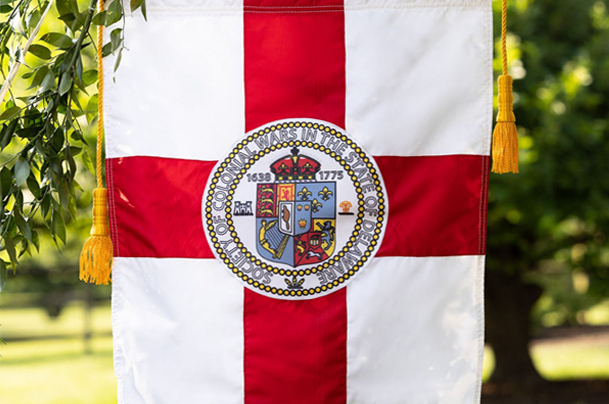
Photo of the Society of Colonial Wars in the State of Delaware flag with crest - Photo Jana Bannan